
THE CHAPLAIN’S CHAIR
Conversations at the Edge of Life
A novel by Tim Lajoie
What happens when the conversations we’ve avoided become the conversations that matter most?
The Chaplain's Chair: Conversations at the Edge of Life is not simply a novel about dying. It is a story about living while there is still time to speak, forgive, reconcile, question, believe, doubt, love—and change.
Releases November 1, 2026
Available in Hardcover • Paperback • Kindle
PREORDER / BUY ON AMAZON
BARNES & NOBLE
OTHER RETAILERS

★★★★★ A FIVE-STAR REVIEW
“The emotional truths grip more than any twists you could expect; a compassionate, psychologically grounded book that you won’t stop reading until the final page.”
— Divine Zape, Readers’ Favorite
Readers’ Favorite awarded The Chaplain’s Chair five stars overall, including 5/5 ratings for plot, development, formatting, and marketability.
“The Chaplain’s Chair accomplishes something difficult: it takes the reader into the room where hospice chaplaincy actually happens.”
Dr. Richard Behers, CPE Educator, Hospice Chaplain, and Director of The Hospice Chaplaincy Resource Center.
“The Chaplain’s Chair offers valuable insight into the unique privilege of coming alongside people during some of life’s most difficult, uncertain, and sacred moments.”
Lt. Gen. Steven Hummer, USMC (ret)
About the Novel
ABOUT THE NOVEL
The Chaplain’s Chair: Conversations at the Edge of Life follows two hospice chaplains whose different approaches to spiritual care bring them into the lives of people confronting illness, loss, faith, doubt, regret, forgiveness, and the approach of death.
Thomas Vale is an experienced chaplain who has learned that the most important conversations rarely begin with the right answer. Maya is younger, highly trained, thoughtful, and still discovering what it means to accompany people when professional competence alone is not enough.
Through their encounters with patients and families—and with each other—the novel explores what happens when time grows short and the questions people have carried for a lifetime can no longer be avoided.
This is not simply a story about dying. It is a story about the relationships, questions, hopes, and unfinished work of living that give our lives meaning…and what to do with the time we have left.
At its heart, The Chaplain’s Chair asks a question that belongs not only to people who are dying, but to all of us:
If the conversations that matter most could no longer wait, what would you need to say?


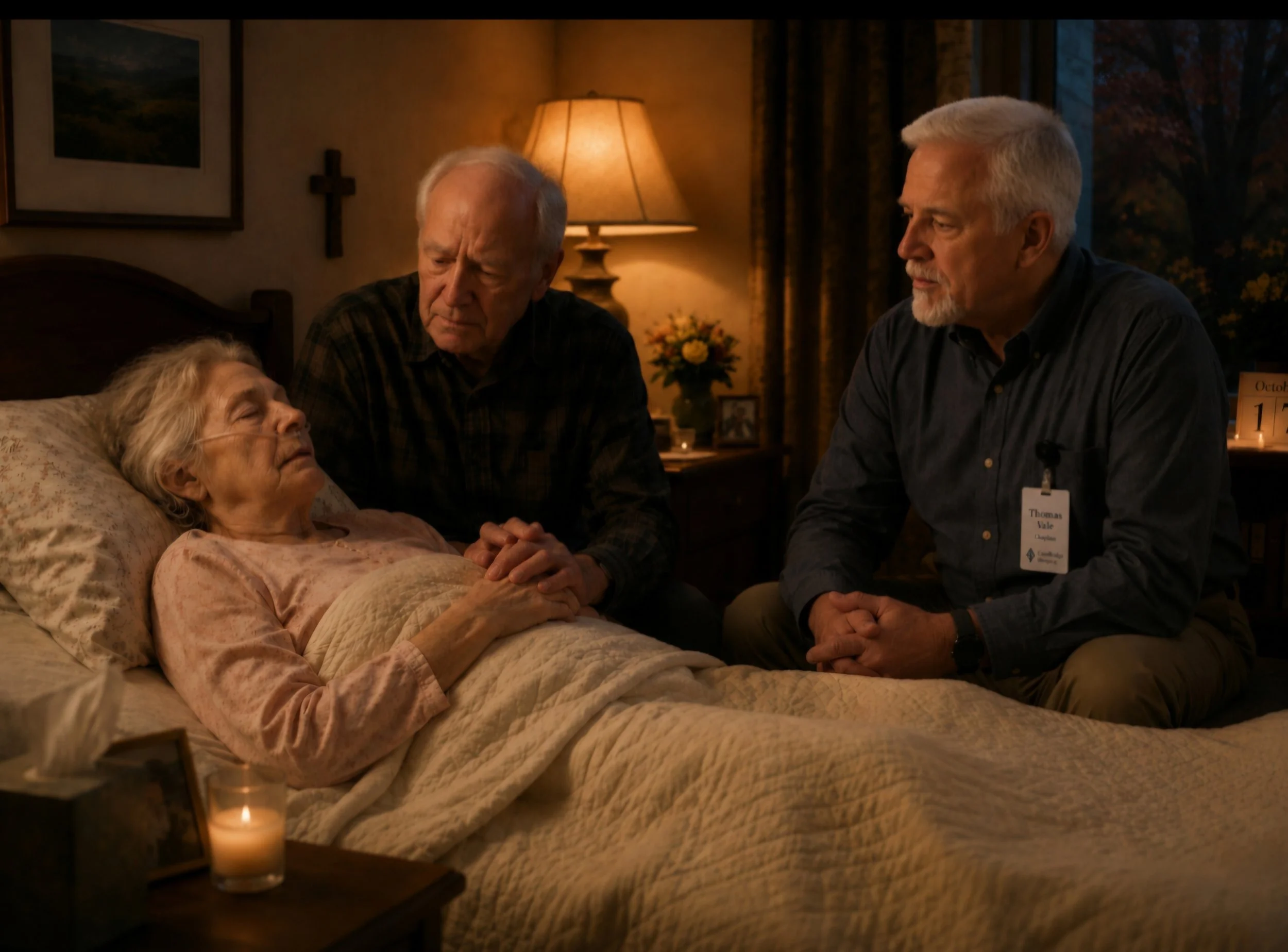
Step inside the story
The Chaplain’s Chair: Conversations at the Edge of Life takes readers into hospice rooms, family conversations, team meetings, and quiet moments where the questions that matter most can no longer be avoided.
Meet some of the people who inhabit that world. See their faces. Glimpse their stories. Hear a few of their words.
No spoilers. Just enough to pull up a chair.


Meet the People Behind the Stories
Daniel Mercer
“Hard to compete with that, isn’t it? Peaceful, beautiful, majestic.”
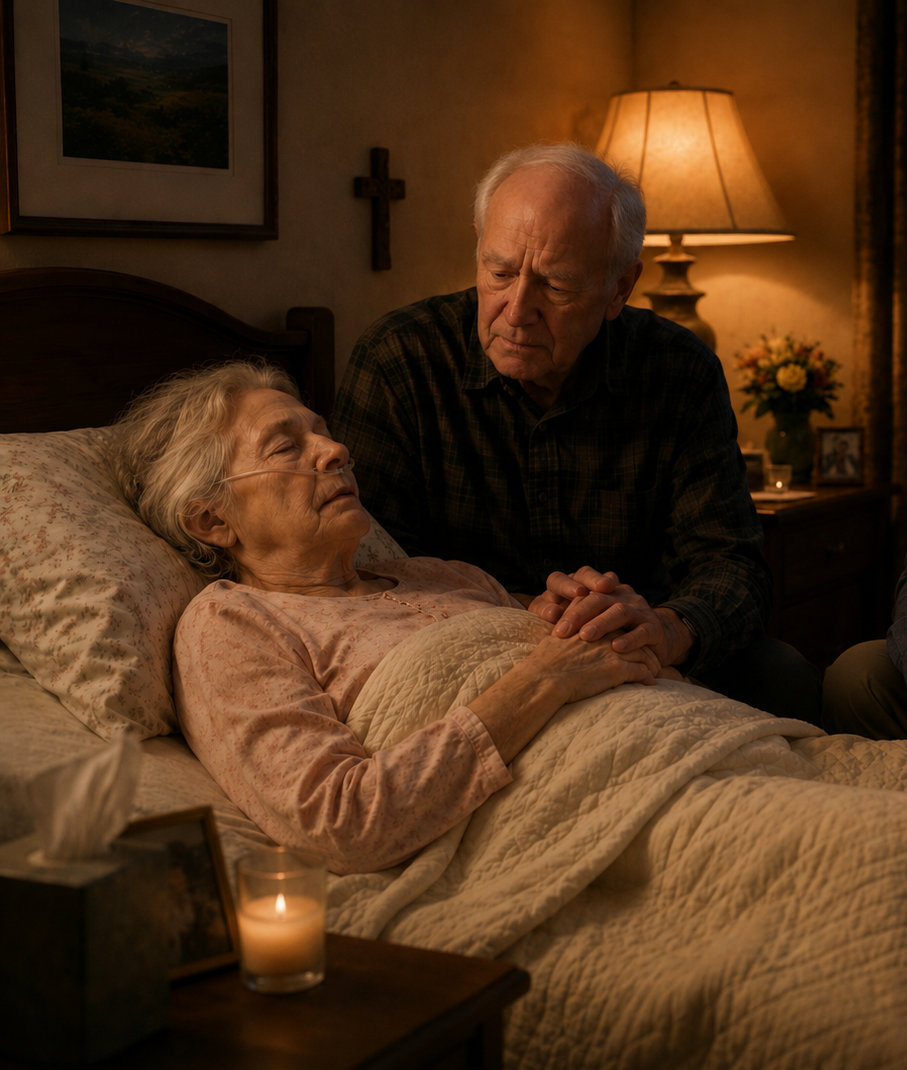
George and Eleanor Whitmore
“Next week would’ve been fifty-eight years.”
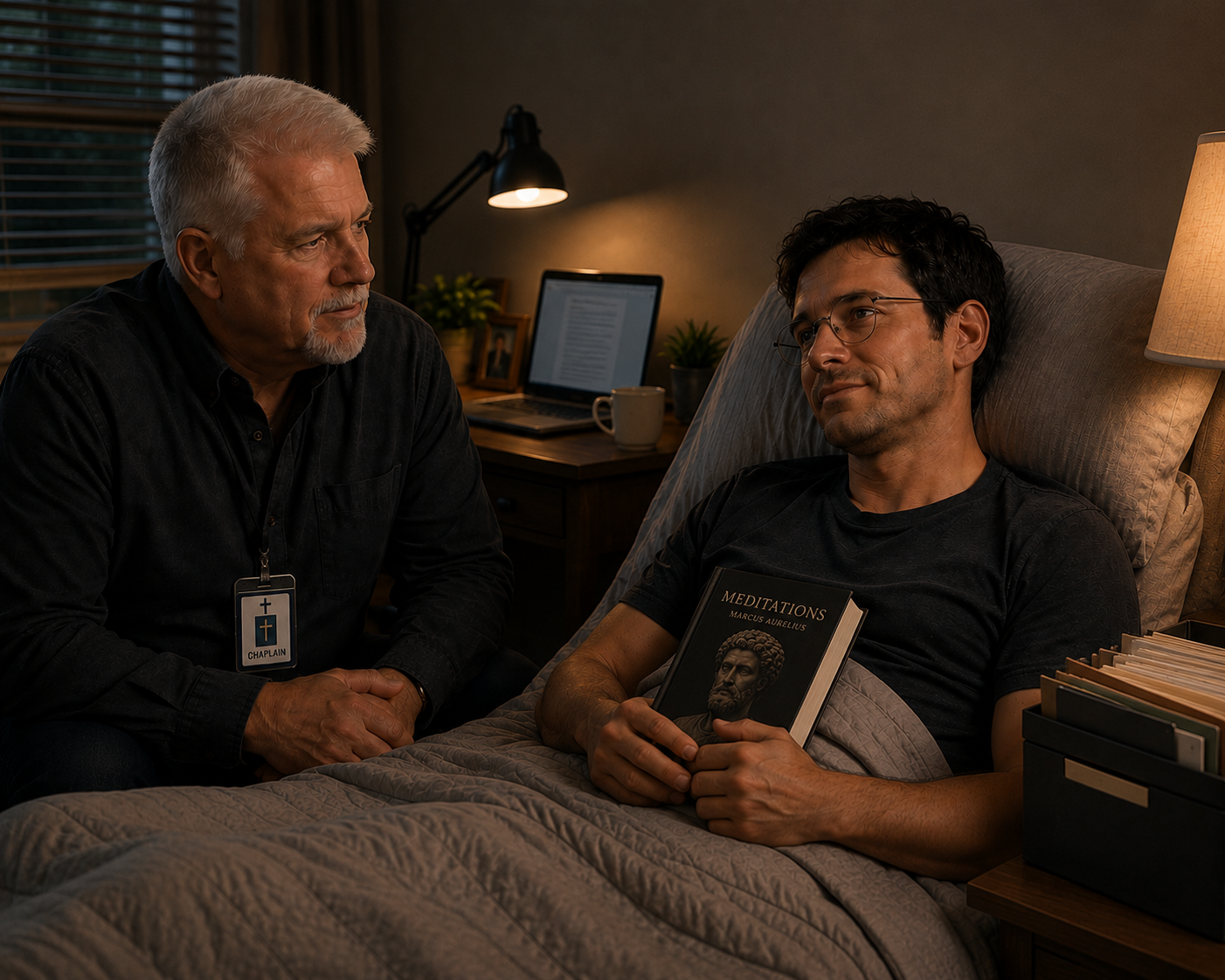
Ethan Reeves
“I thought there’d be time.”
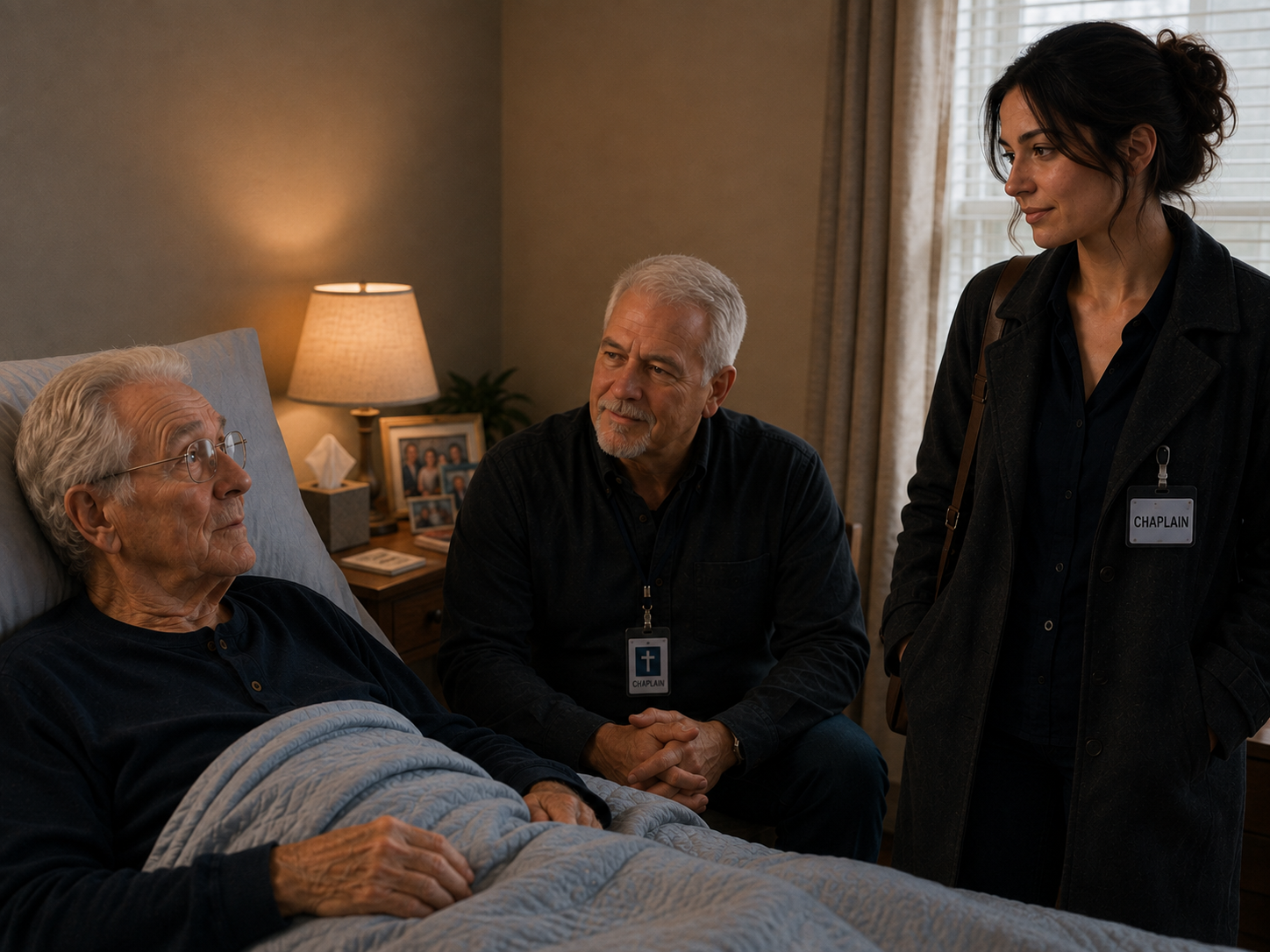
Stan Nelson
“You’re young. How old are you?”

Ruth Donnelly
“Blessed assurance, Jesus is mine...”
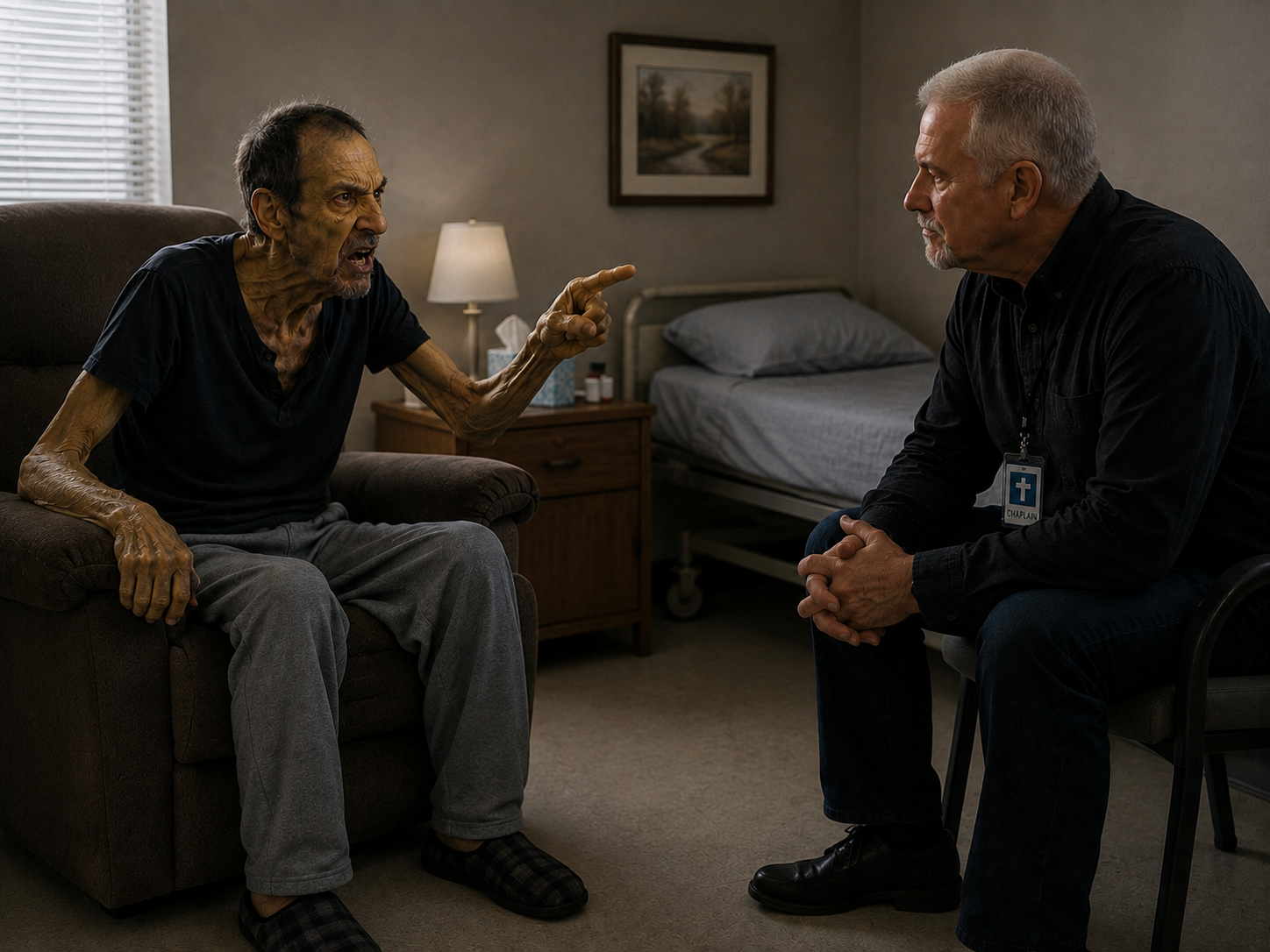
Maxwell Henderson
“Where was your God when my wife and little boy were lying in a ditch?”
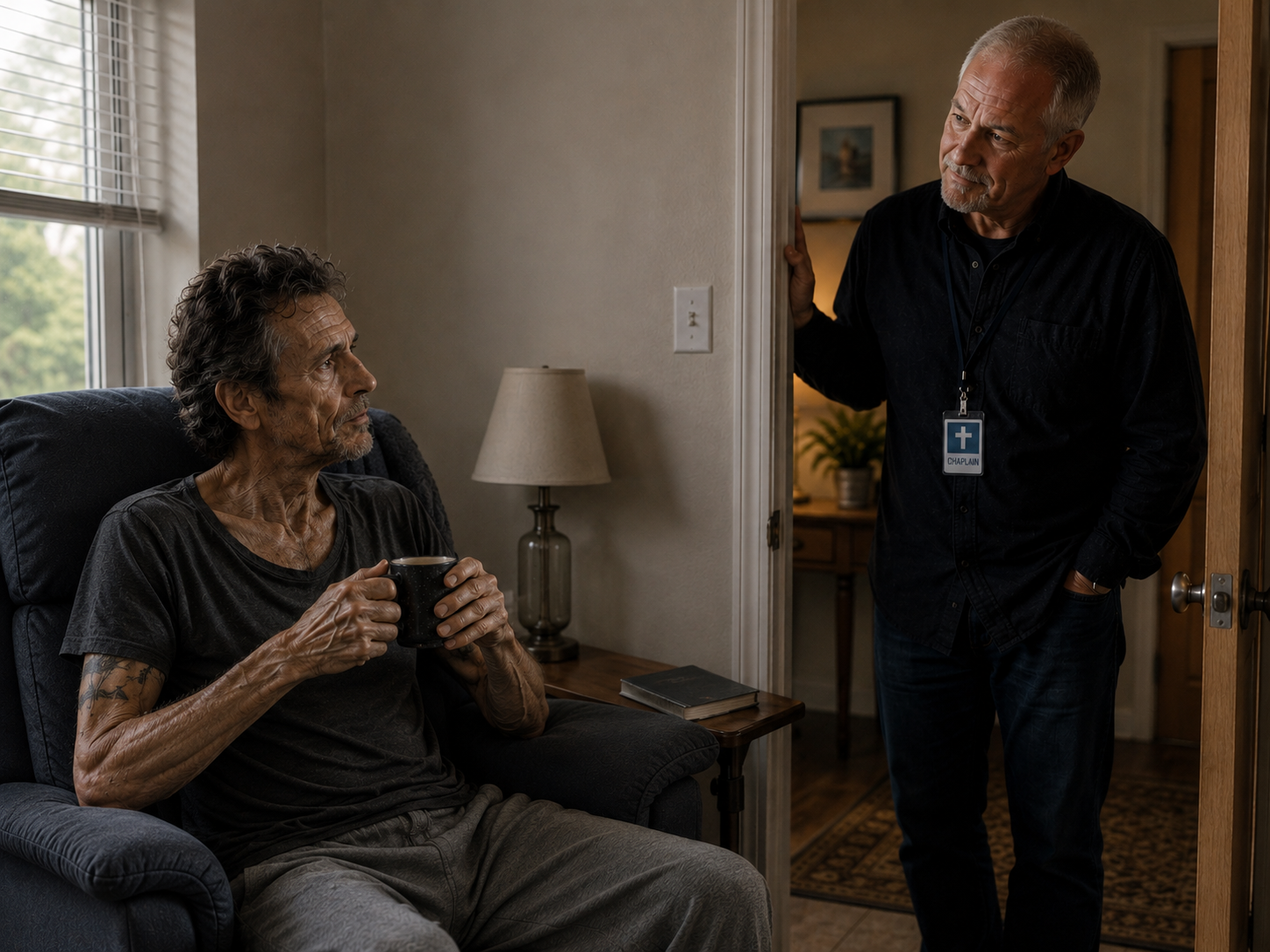
Ray Porter
“You ever wear a badge?”

Michael and Tammy Harper
“I’m dying, Tam. I’ve spent the last two weeks worrying about what you’d think if you knew...”
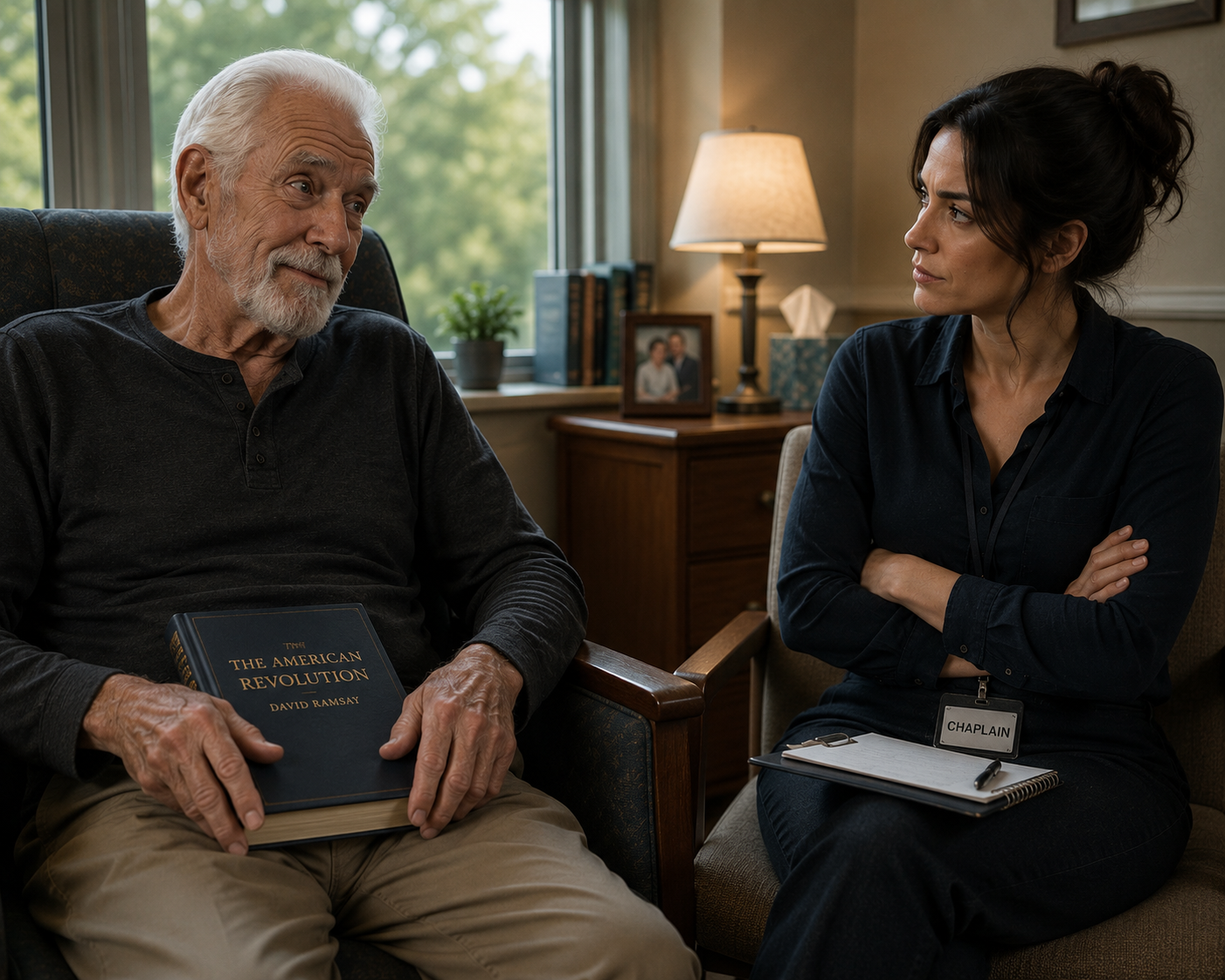
Reverend Sam Whitaker
“Do I think twenty-eight-year-olds think they know everything? No. I think they think what they know is everything. And it isn’t.”

Thomas and Sarah Vale
“Days like today remind me why I think hospice is holy ground. You get invited into moments most people will never see.”
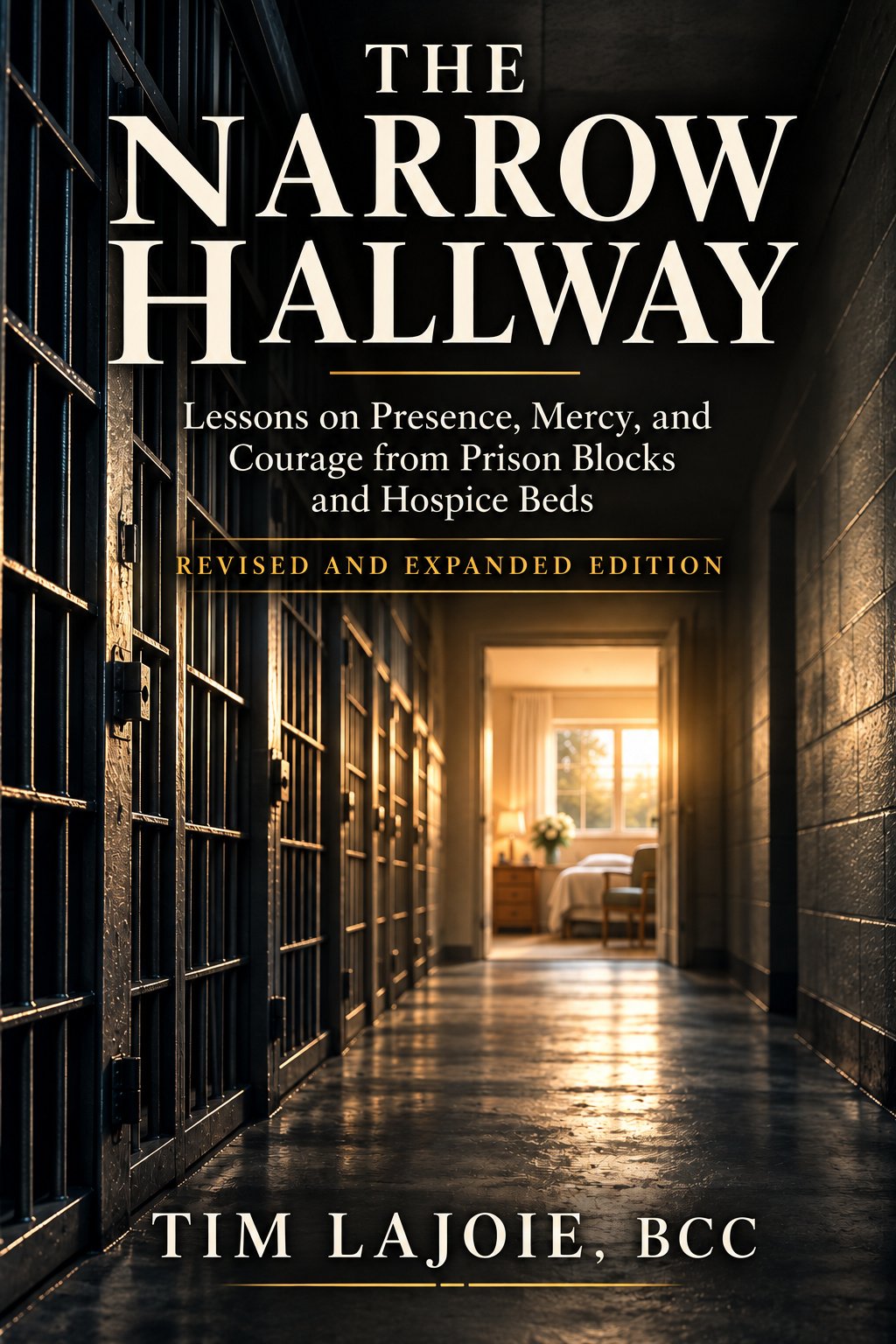
THE NARROW HALLWAY
Lessons on Presence, Mercy, and Courage from Prison Blocks and Hospice Beds
Revised and Expanded Edition
The Narrow Hallway traces lessons learned across corrections, law enforcement, classrooms, and hospice care—places where authority, suffering, responsibility, mercy, and human dignity become more than abstract ideas.
Drawing from decades of experience, Tim Lajoie explores what it means to lead without losing sight of the person in front of you, to exercise authority without contempt, and to remain present when competence alone is not enough.
Available Now