
When You Don’t Know What to Say, Stay Anyway
When someone is hurting, we often feel pressure to find the right words, offer an answer, or somehow make things better. But good spiritual care also requires listening, allowing room for silence, and recognizing when our presence may be more valuable than anything we could say.

When the Person You Love Keeps Choosing the Thing That Is Destroying Them
Loving someone caught in addiction can leave you carrying consequences from choices you never made. You can warn, encourage, forgive, pray, establish boundaries, and offer help, but eventually you encounter a painful truth: loving another person deeply does not give you the power to save them from their own choices. This essay considers what it means to hold compassion and accountability together while refusing to give up on the dignity of the person you love.
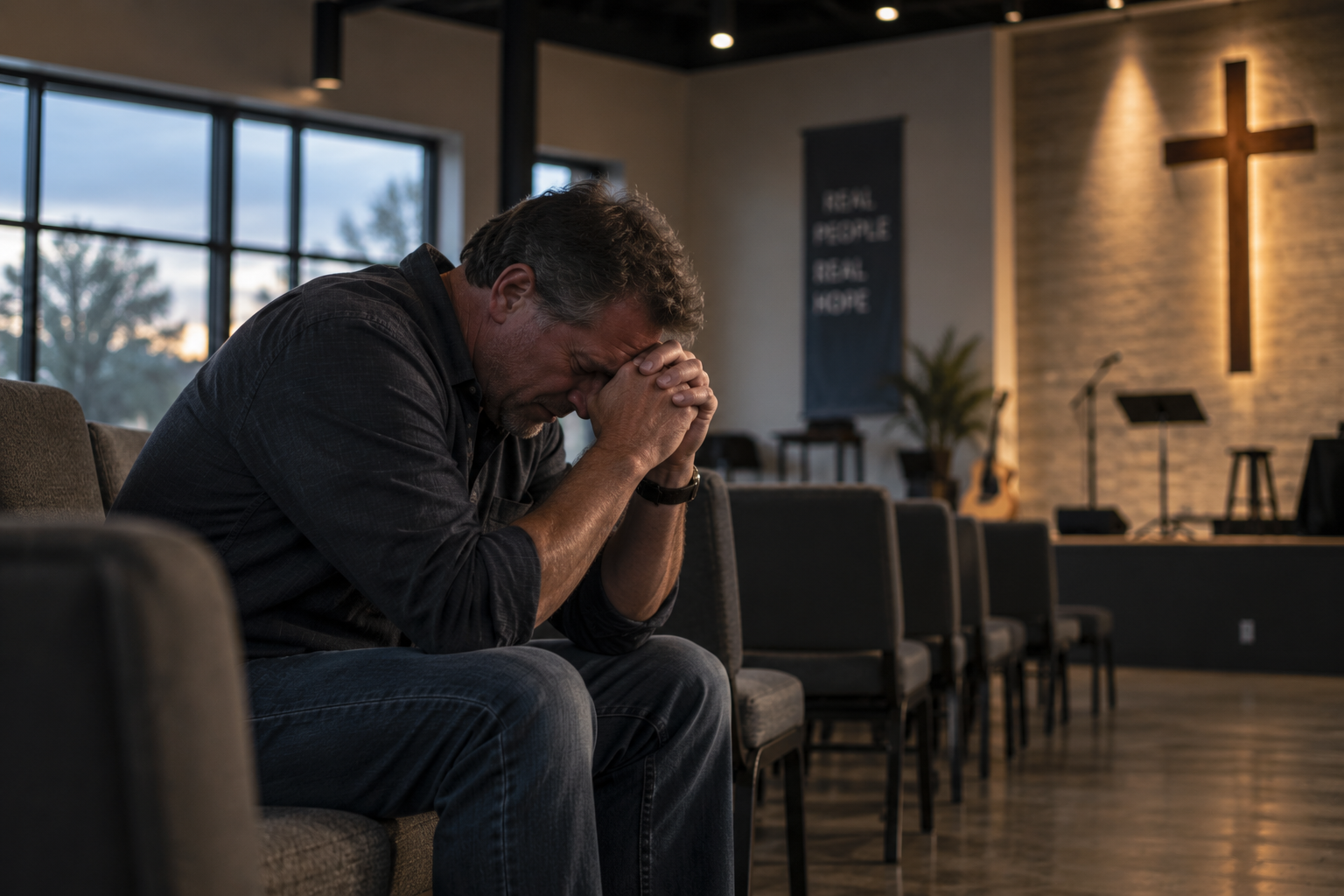
Is It Okay to Be Angry at God?
What happens when grief, unanswered prayer, or suffering leaves you angry with God? Scripture does not hide the anguish of people who struggled with God while continuing to believe in Him. Faith does not require us to pretend the anger is not there.

25 Years Later: September 11th— Remembering Who We Are
Twenty-five years later, we remember the lives lost, the courage displayed, the families forever changed, and the hope that remains.

Everybody Has a Story Before You Enter the Room
Every encounter begins in the middle of someone else's story. The question is whether we're willing to listen.

Who Is Worthy of the Badge?
The badge grants authority. Character determines how that authority is exercised—and how it is experienced by the people on the other side of it.
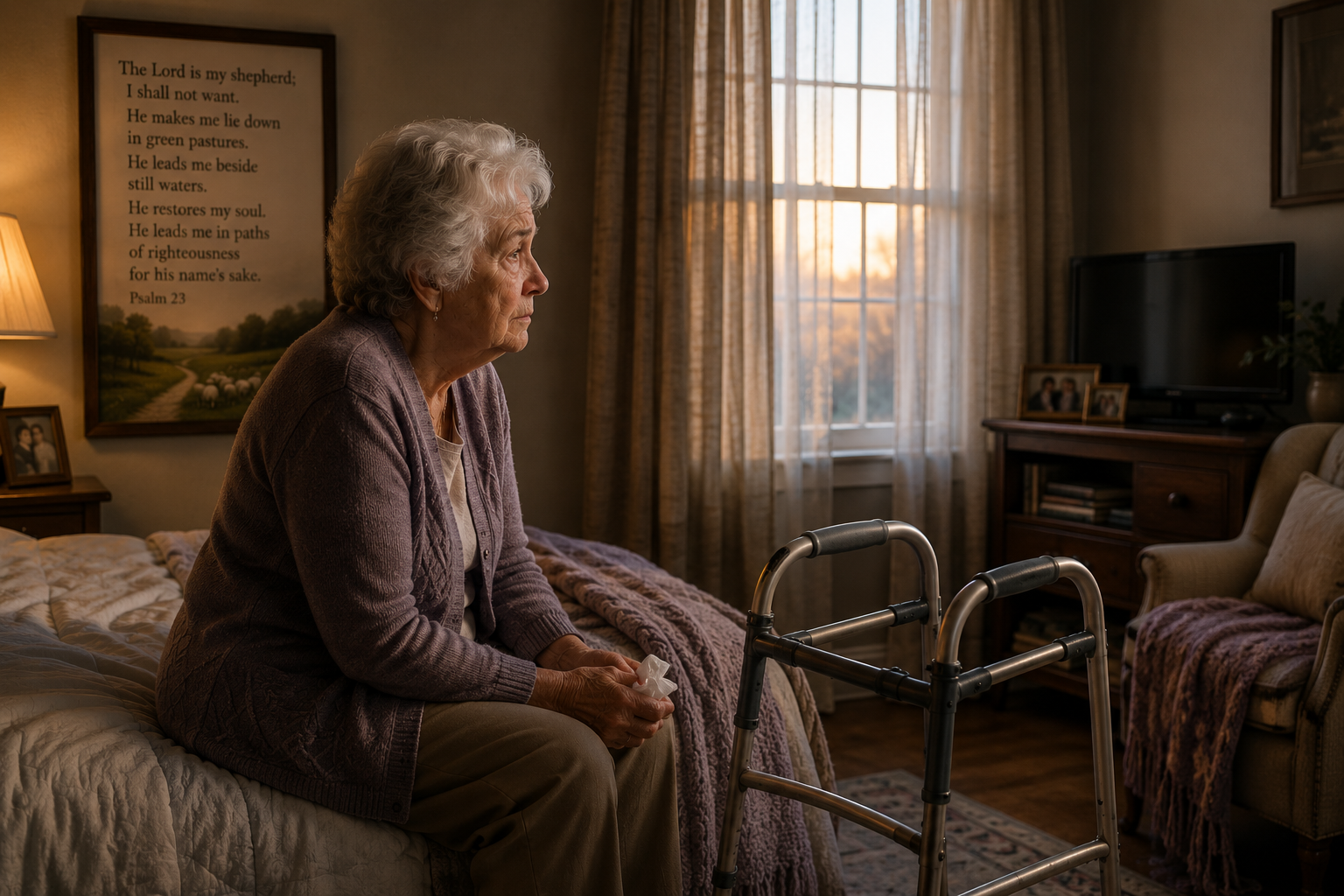
The Cruel Companion of Grief: Living With the “What Ifs
Grief has a way of turning yesterday's decisions into today's questions. One widow's story reveals the painful burden of hindsight—and why some questions must be carried rather than answered.
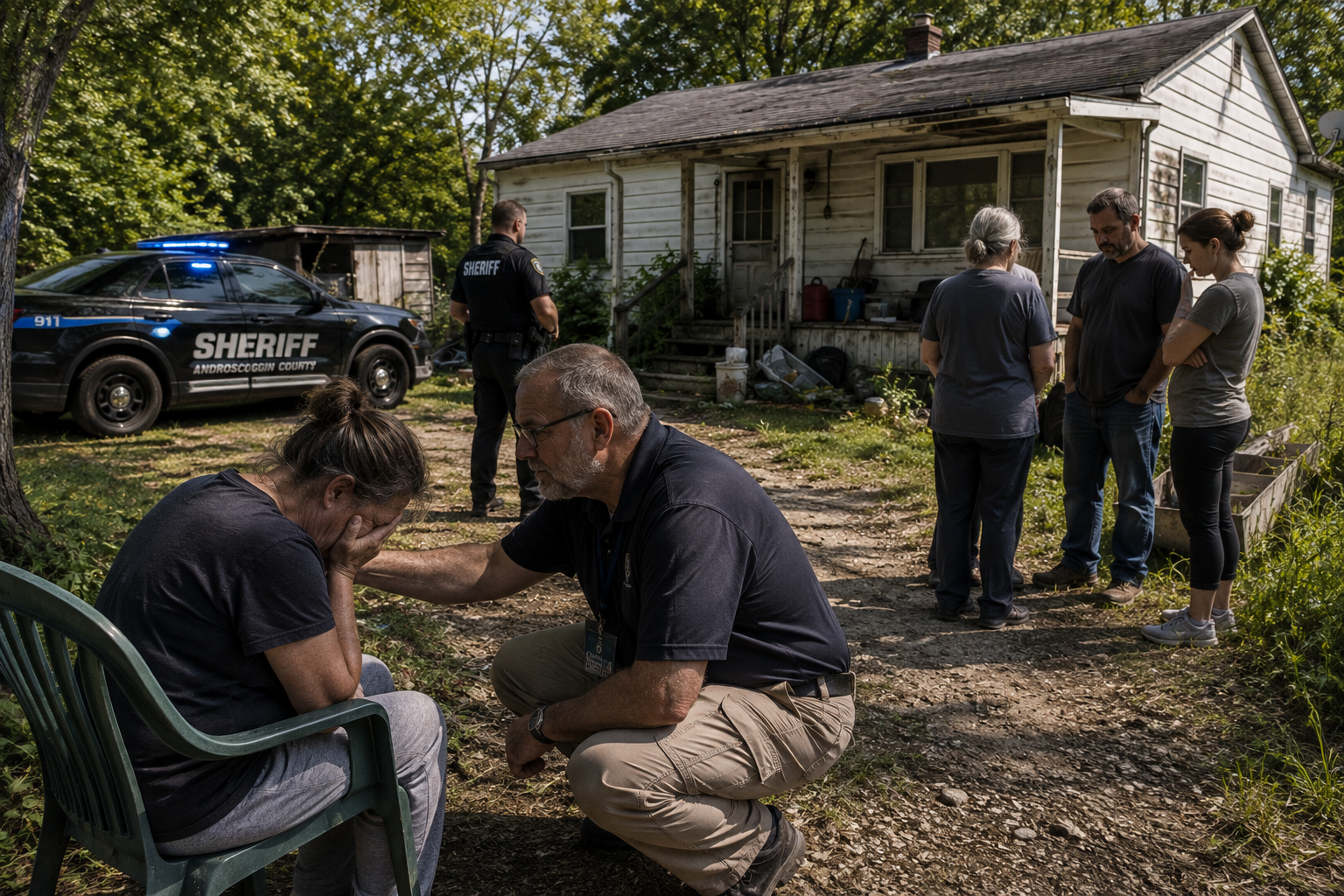
“Why Are My Boys Dead?”
Some questions have no satisfying answer. A grieving mother’s question became a lesson in what it means to stay present when explanations are not enough.
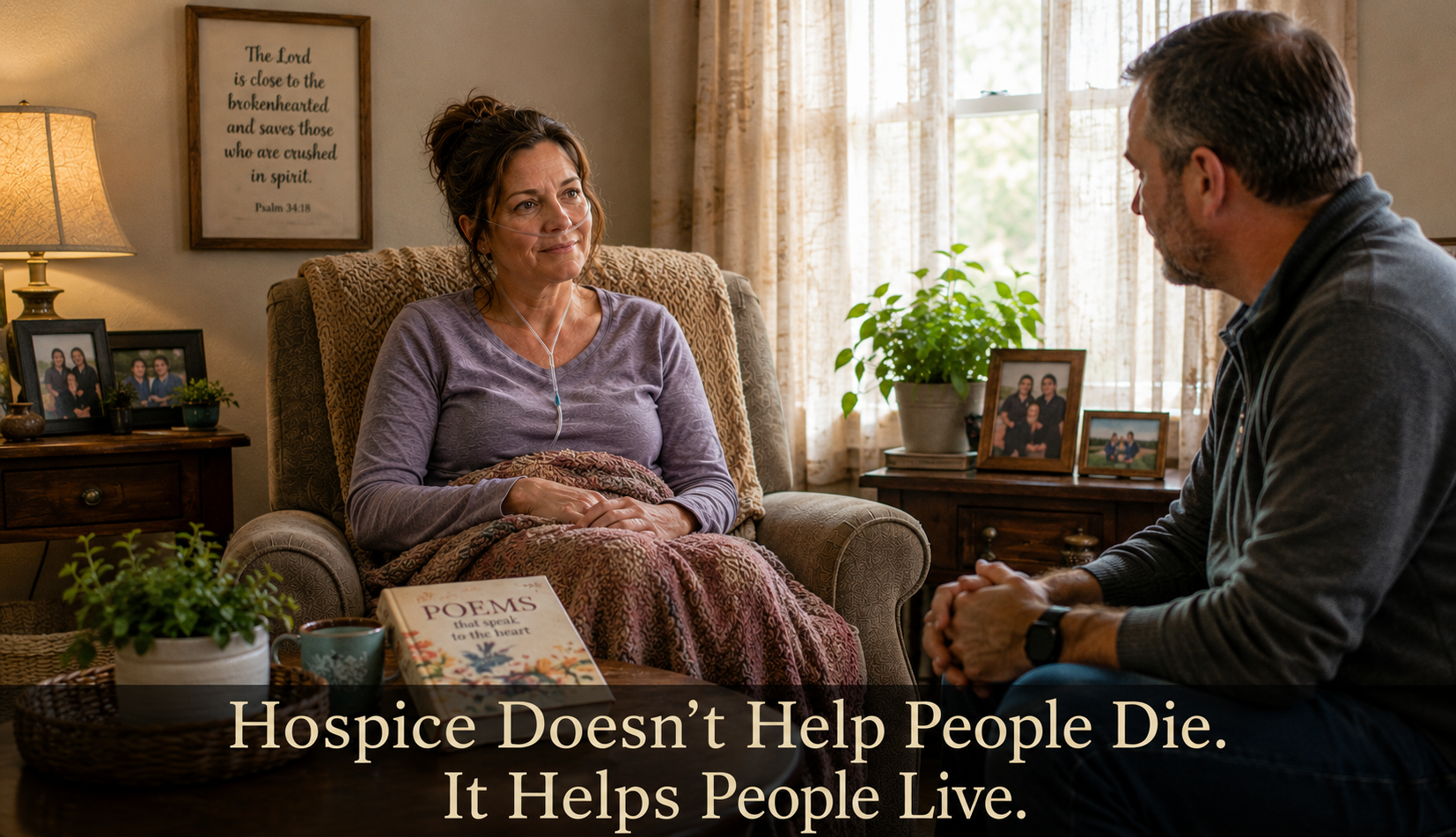
Hospice Doesn't Help People Die. It Helps People Live.
Hospice is often misunderstood as something that begins when there is nothing more to do. In reality, hospice is about helping people live as fully as possible in the time they have—surrounded by comfort, dignity, relationships, meaning, and the things that still matter.
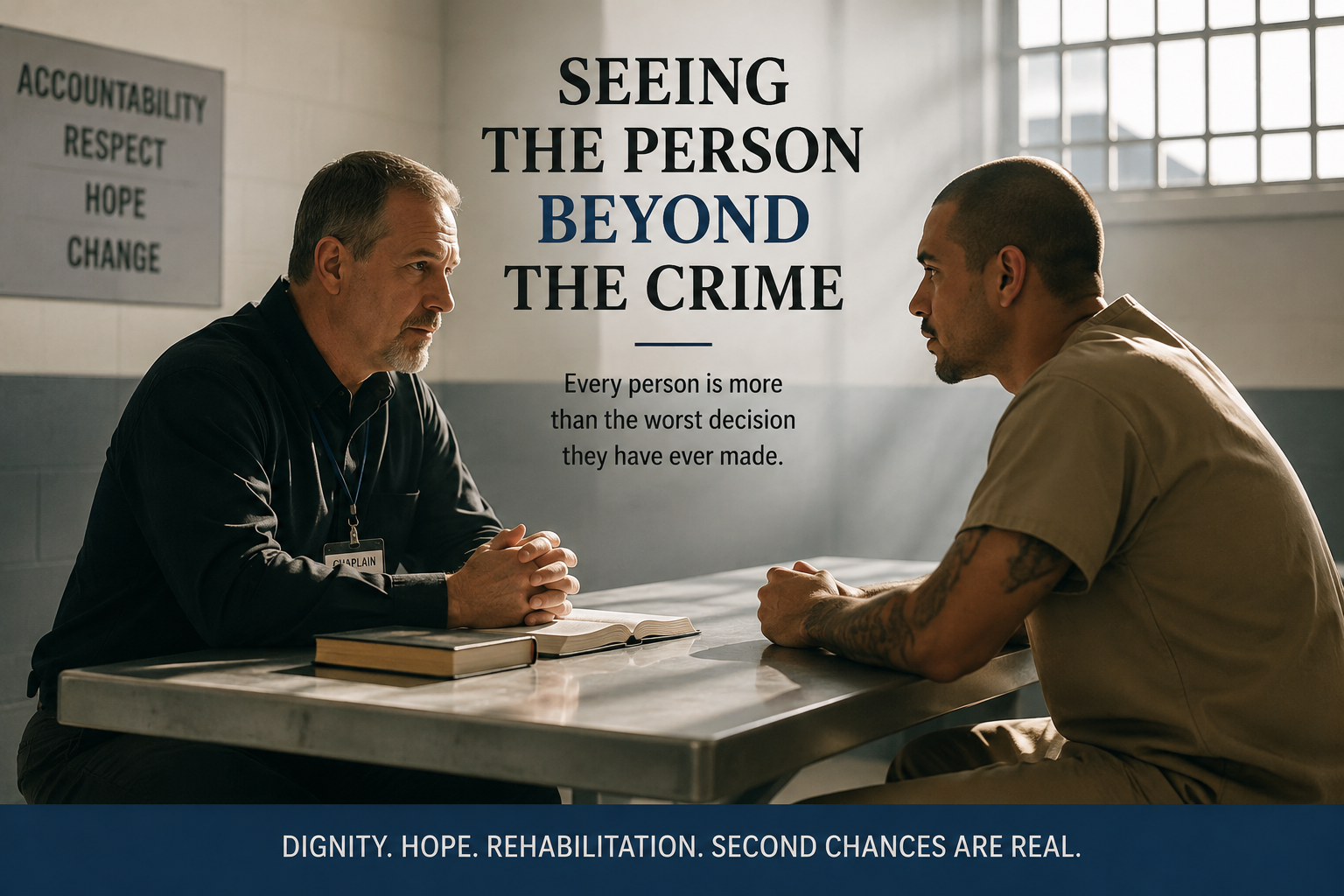
Seeing the Person Beyond the Crime
What does it mean to see a person without minimizing what they have done? A reflection on correctional chaplaincy, accountability, human dignity, rehabilitation, and the possibility of change.